
Choosing the Right Remote Patient Monitoring Service: A Guide


Understanding Remote Patient Monitoring
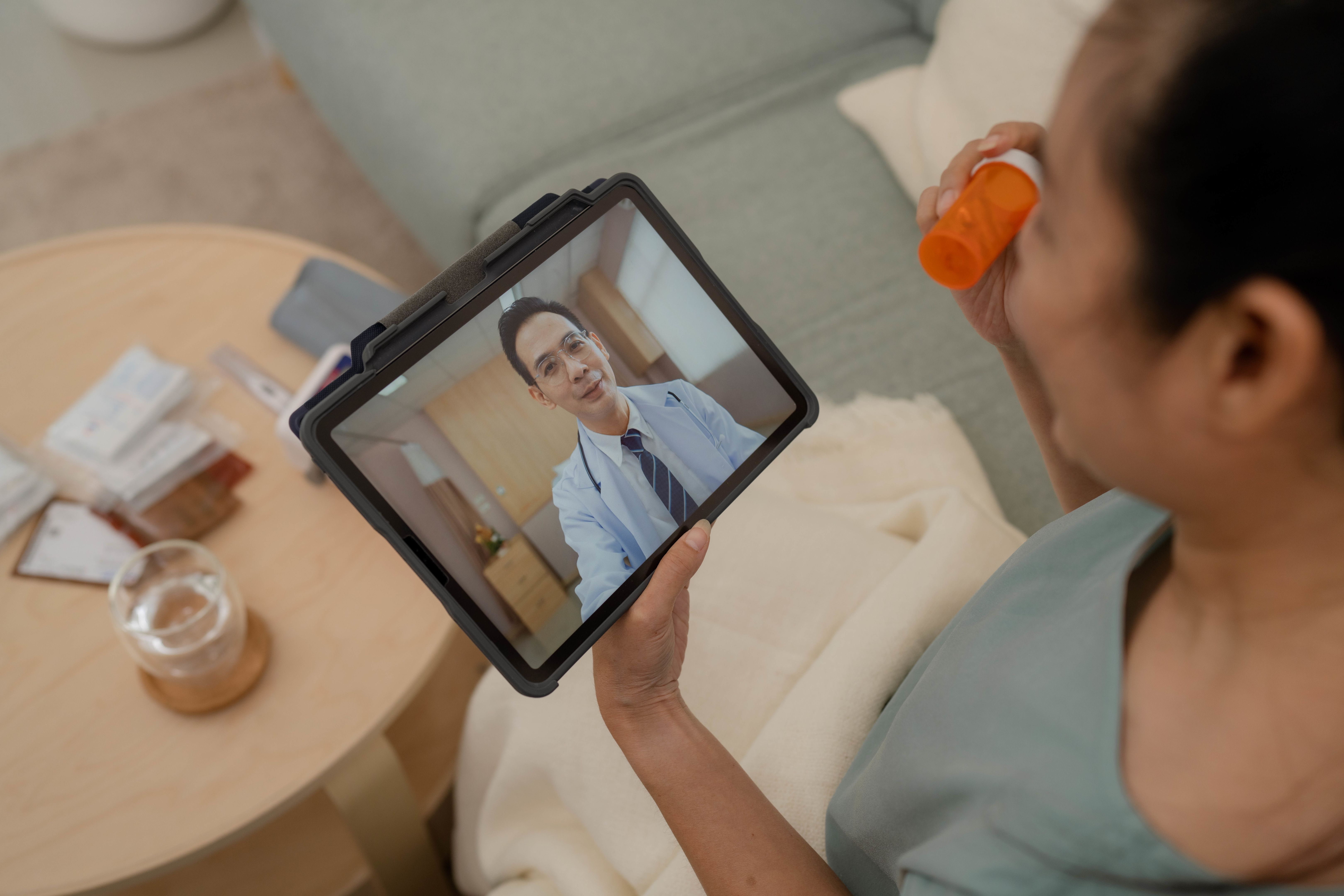
Remote patient monitoring (RPM) is transforming healthcare by enabling providers to track patient health outside traditional clinical settings. This technology is particularly beneficial for chronic disease management, post-operative care, and elderly patients. By choosing the right RPM service, healthcare providers can improve patient outcomes and reduce hospital readmissions.
Key Features to Consider
When selecting an RPM service, it's important to evaluate key features that align with your practice's needs. Consider the following:
- Data Collection: Ensure the service offers comprehensive data collection capabilities, including vital signs, medication adherence, and symptom tracking.
- Integration: Look for solutions that integrate seamlessly with existing electronic health records (EHR) systems.
These features can streamline workflows and enhance patient care through real-time data access and analysis.
Security and Compliance
Security is paramount when handling sensitive patient information. The RPM service you choose should comply with industry standards like HIPAA in the United States. This ensures that patient data is protected against unauthorized access and breaches.

Verify that the service provider uses encryption and multi-factor authentication to safeguard data. Ensuring compliance not only protects patients but also shields your practice from potential legal issues.
Usability and Support
The usability of an RPM service is crucial for both healthcare providers and patients. A user-friendly interface can enhance adoption and minimize training requirements. Additionally, evaluate the level of customer support provided by the vendor. Reliable technical support can prevent disruptions and maintain the continuity of care.

Cost Considerations
Cost is a significant factor in choosing an RPM service. While assessing options, consider both the initial setup costs and ongoing expenses like subscription fees or hardware costs. Some services offer flexible pricing models, enabling practices of all sizes to implement RPM without financial strain.
It's important to weigh the cost against the potential benefits, such as improved patient outcomes and reduced healthcare costs, to determine the overall value of the service.
Conclusion
Choosing the right remote patient monitoring service involves careful consideration of various factors, including features, security, usability, and cost. By taking the time to evaluate these aspects, healthcare providers can implement a solution that enhances patient care and optimizes operational efficiency. As RPM technology continues to evolve, staying informed and adaptable will be key to maximizing its benefits.