
Debunking Myths About AI-Driven Health Insights


Understanding AI-Driven Health Insights
Artificial Intelligence (AI) is revolutionizing the healthcare industry, providing unprecedented insights into patient care and medical research. Despite its growing popularity, there are numerous myths surrounding AI-driven health insights that can create confusion and skepticism. In this post, we aim to debunk some of these common myths and shed light on the true capabilities of AI in healthcare.
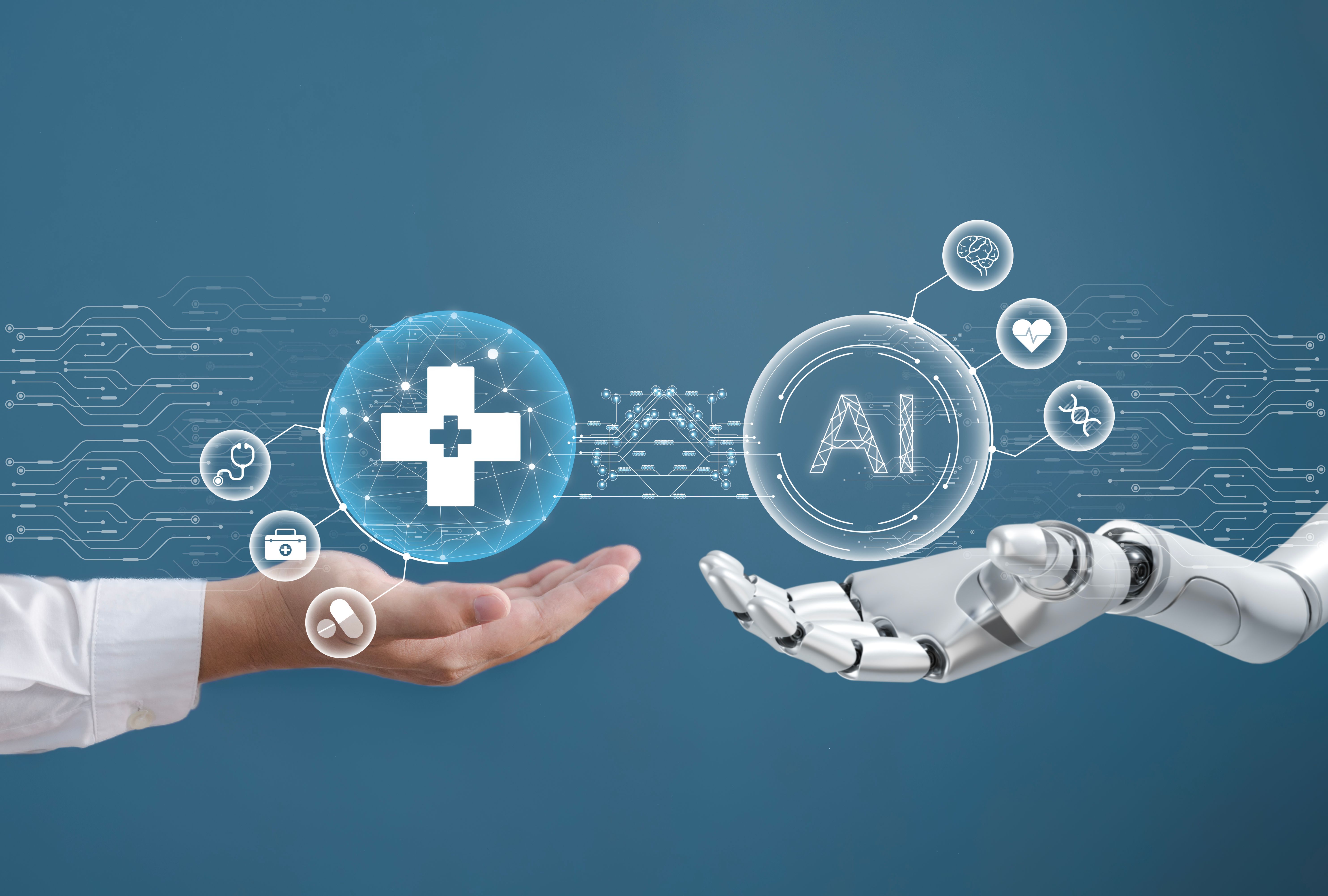
Myth 1: AI Replaces Healthcare Professionals
A common misconception is that AI will replace doctors and nurses. In reality, AI is designed to assist healthcare professionals, not replace them. AI can analyze large sets of data quickly and accurately, providing valuable insights that help doctors make informed decisions. This collaboration enhances patient care and allows professionals to focus on what they do best—providing personalized care to patients.
Myth 2: AI Lacks Accuracy
Another myth is that AI-driven insights are not reliable. While AI systems are not infallible, they are capable of processing vast amounts of data with a high degree of accuracy. Machine learning algorithms are continuously improving, learning from new data to enhance their precision. In many cases, AI can detect patterns and anomalies that might be missed by human analysis.

The Role of AI in Personalized Medicine
AI plays a crucial role in personalized medicine by analyzing genetic information, lifestyle data, and environmental factors to tailor treatments for individual patients. This approach leads to more effective outcomes and minimizes adverse reactions. Personalized medicine represents a shift from a one-size-fits-all approach to a more targeted strategy, significantly improving patient care.
Myth 3: AI Is Only for Large Healthcare Facilities
Many believe that AI technology is only accessible to large hospitals and research centers. However, AI solutions are becoming increasingly available to smaller clinics and practices. Cloud-based platforms and user-friendly interfaces allow even small healthcare providers to benefit from AI-driven insights, enhancing their ability to deliver high-quality care.

Myth 4: AI Compromises Patient Privacy
Concerns about patient privacy are valid, but AI technologies are designed with robust security measures to protect sensitive data. Encryption, anonymization, and strict access controls ensure that patient information remains confidential. By adhering to regulatory standards, AI solutions maintain the trust and integrity of healthcare data.
Embracing AI for a Healthier Future
As we continue to explore the capabilities of AI in healthcare, it is essential to separate fact from fiction. By debunking these myths, we can better appreciate the potential of AI to transform healthcare delivery and improve patient outcomes. Embracing AI-driven health insights opens the door to a future where healthcare is more precise, efficient, and accessible for everyone.