
Debunking Myths About Health Data Analytics


Understanding Health Data Analytics
Health data analytics is a rapidly growing field that leverages data to improve healthcare outcomes. Despite its importance, there are several myths surrounding this discipline that can create misunderstandings. In this post, we aim to debunk some of these myths and provide a clearer picture of what health data analytics truly entails.
Myth 1: Health Data Analytics Is Only for Large Hospitals
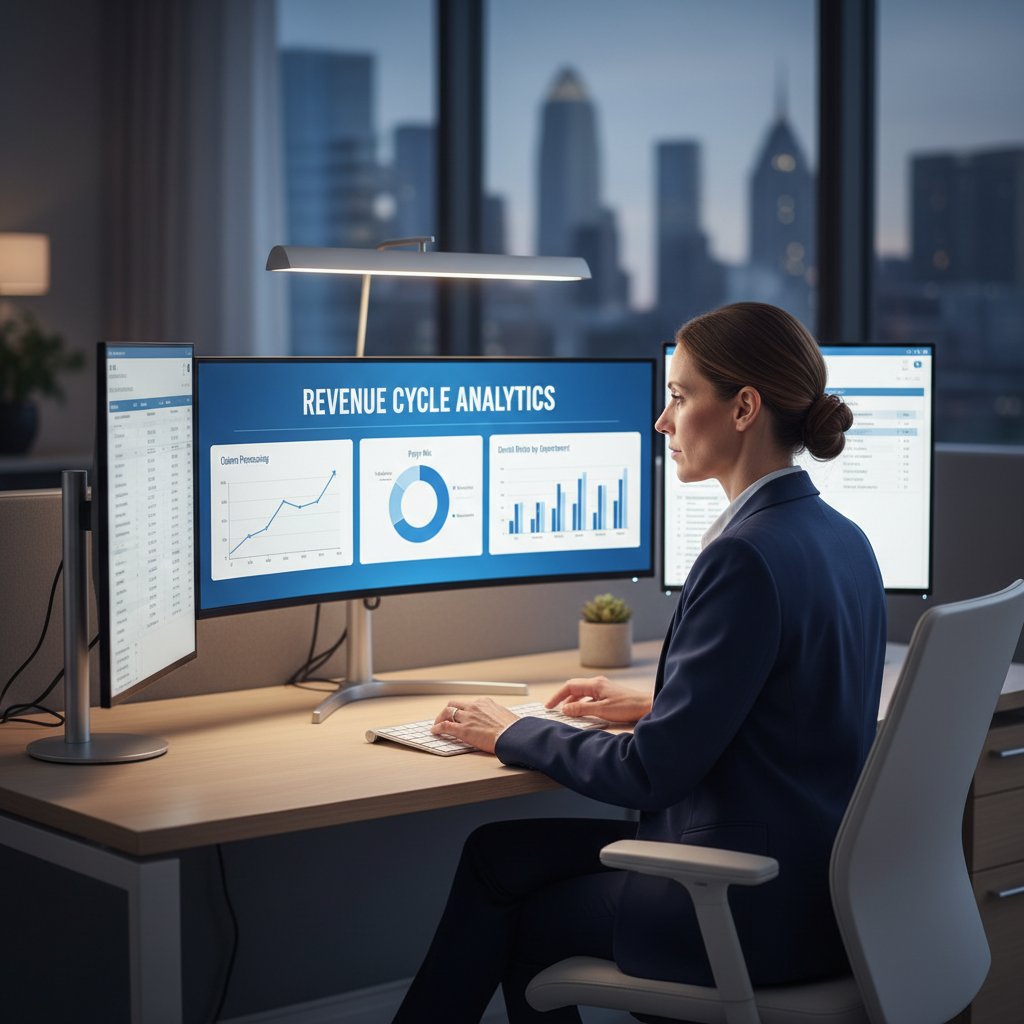
Many believe that only large hospitals and healthcare systems can benefit from health data analytics. However, this is far from the truth. With the advent of cloud computing and affordable analytics tools, even small clinics can harness the power of data analytics. These tools can help improve patient outcomes, streamline operations, and reduce costs, regardless of the size of the healthcare provider.
For instance, small clinics can use analytics to track patient visits, identify trends in common illnesses, and optimize appointment scheduling. This not only enhances patient care but also maximizes resource utilization.
Myth 2: Health Data Analytics Involves Complex Mathematics
Another common misconception is that health data analytics requires an extensive background in mathematics or statistics. While quantitative skills can be beneficial, many analytics tools are designed to be user-friendly and do not require advanced mathematical knowledge. These tools often come with intuitive interfaces and predefined models that can be used to generate valuable insights.
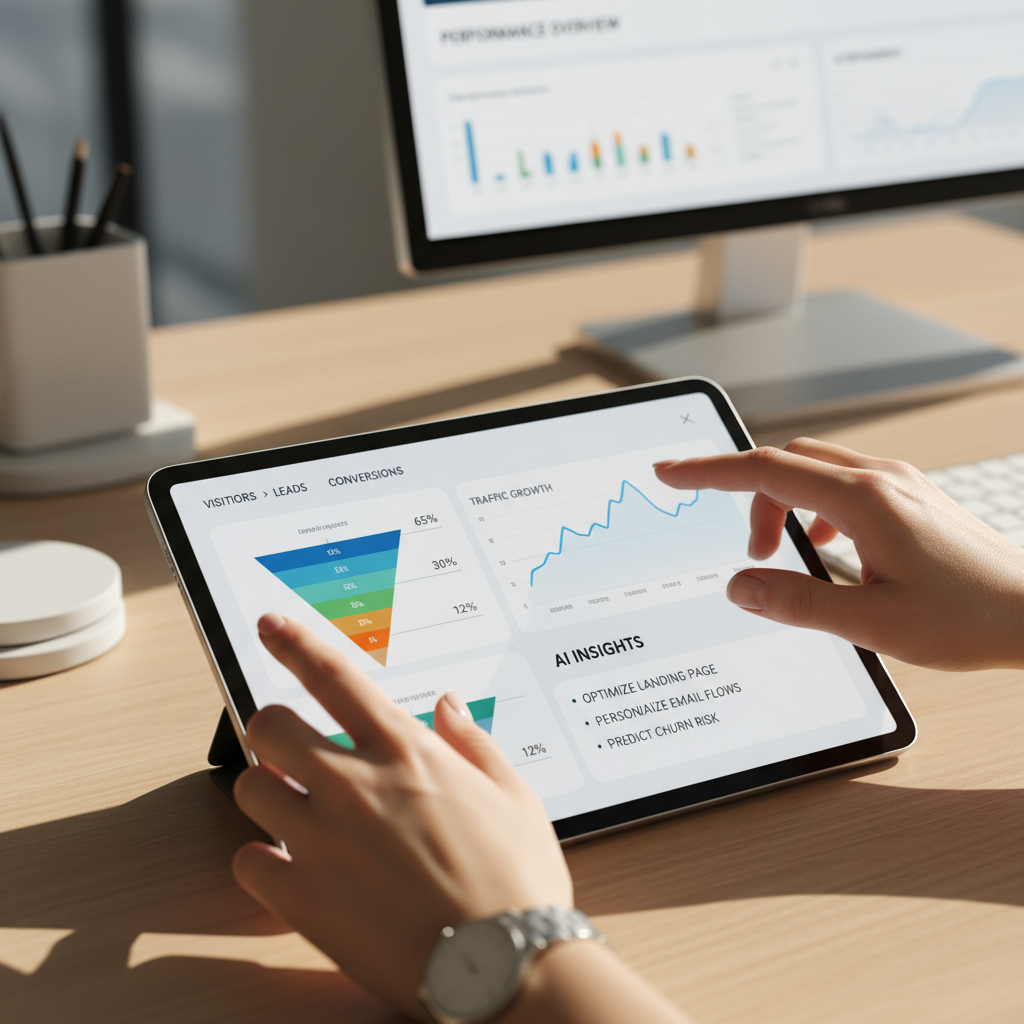
Additionally, many healthcare organizations employ data scientists or analysts who specialize in interpreting complex data, allowing medical professionals to focus on patient care.
Myth 3: Patient Privacy Is Compromised
A major concern with health data analytics is patient privacy. However, there are stringent regulations and technologies in place to protect sensitive information. Laws such as the Health Insurance Portability and Accountability Act (HIPAA) in the United States set strict guidelines for data handling and sharing.
Moreover, advanced encryption techniques and anonymization processes further ensure that patient data remains secure. By adhering to these regulations, healthcare providers can confidently use data analytics without compromising patient privacy.

Myth 4: Analytics Replaces Human Judgment
Some fear that relying on analytics may replace the need for human judgment in medical decision-making. In reality, analytics is a tool that complements human expertise. It provides data-driven insights that support clinical decisions, allowing healthcare professionals to make more informed choices.
For example, predictive analytics can identify patients at risk of developing certain conditions, enabling early intervention. However, the ultimate decision on treatment and care remains in the hands of experienced medical professionals.
The Future of Health Data Analytics
As technology continues to evolve, health data analytics will play an increasingly vital role in transforming healthcare. By debunking these myths, we hope to encourage more healthcare providers to embrace this powerful tool. When utilized effectively, data analytics has the potential to revolutionize patient care and operational efficiency.