
Digital Health Solutions: Improving Outcomes with Data-Driven Insights


In the evolving landscape of healthcare, digital health solutions are transforming how patient data is collected, analyzed, and utilized. By leveraging advanced technologies, healthcare providers can enhance patient outcomes and streamline operations, leading to more personalized and efficient care.

Understanding Digital Health Solutions
Digital health solutions encompass a broad range of technologies designed to improve health and wellness. From wearable devices that track vital signs to sophisticated data analytics platforms, these tools provide valuable insights into patient health and behavior. By integrating these technologies, healthcare providers can create a more holistic view of patient health.
One of the key benefits of digital health solutions is their ability to offer real-time data. This immediacy allows for proactive interventions, potentially preventing complications before they arise. Additionally, these solutions facilitate remote patient monitoring, making healthcare more accessible, especially in underserved areas.
Data-Driven Insights for Better Outcomes
The power of digital health lies in its ability to generate data-driven insights. By analyzing vast amounts of data, healthcare professionals can identify trends and patterns that might otherwise go unnoticed. This information is crucial for developing targeted treatment plans and improving patient outcomes.

Data-driven insights can also enhance decision-making processes. With access to comprehensive patient data, clinicians can make more informed decisions, reducing the likelihood of errors and ensuring that treatments are tailored to individual needs.
Enhancing Patient Engagement
Another significant advantage of digital health solutions is their potential to boost patient engagement. By providing patients with access to their own health data, these tools empower individuals to take an active role in their healthcare journey. This engagement can lead to better adherence to treatment plans and improved health outcomes.
- Access to personal health information
- Interactive health apps
- Remote consultation options
The Role of Artificial Intelligence
Artificial intelligence (AI) plays a crucial role in the realm of digital health. AI algorithms can process and analyze data at a speed and accuracy beyond human capabilities. This enables early detection of diseases, personalized treatment recommendations, and more efficient management of chronic conditions.
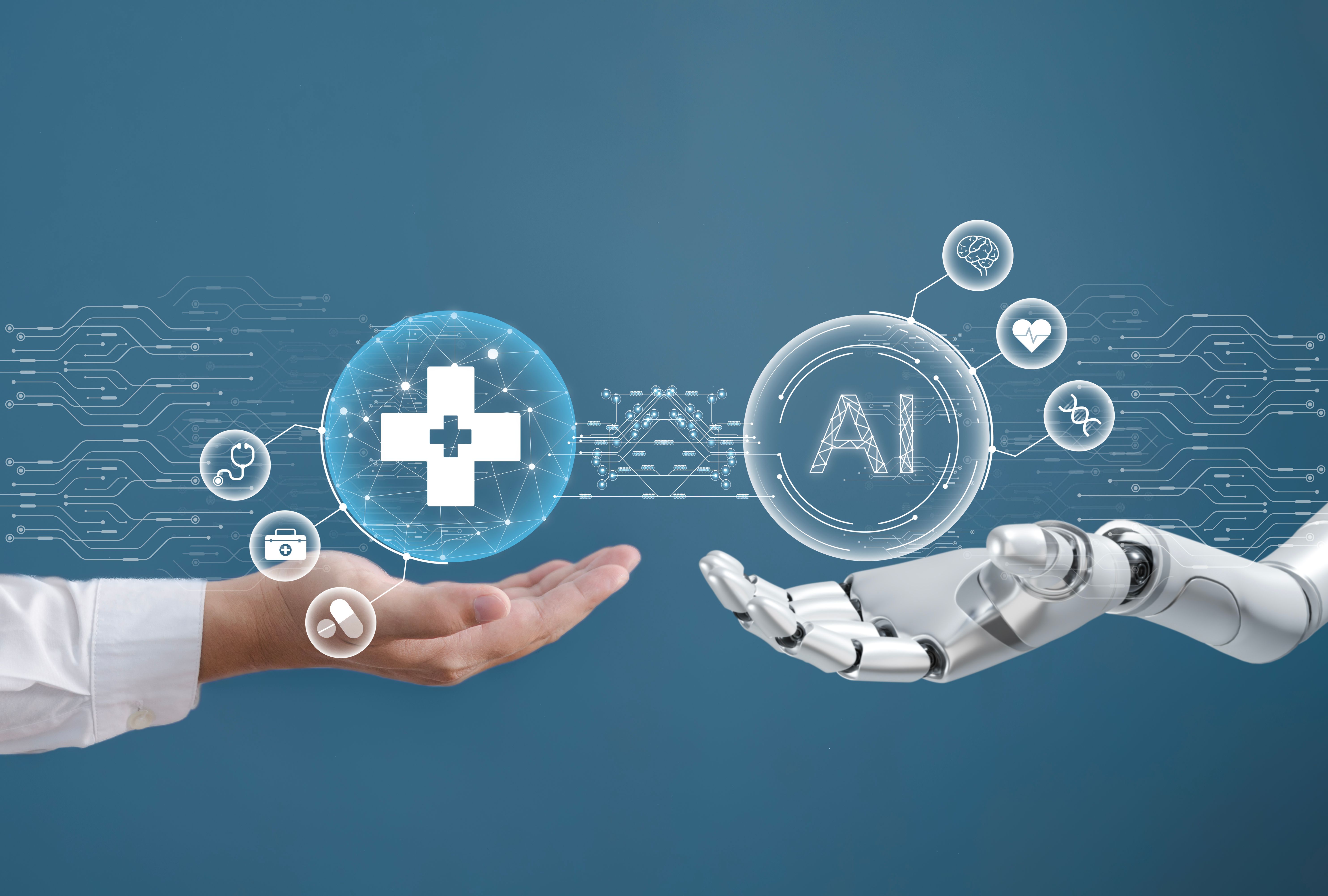
Moreover, AI-driven tools can enhance diagnostic accuracy by cross-referencing patient data with vast medical databases. This can lead to earlier interventions and more effective treatments, ultimately improving patient outcomes and reducing healthcare costs.
Challenges and Considerations
While digital health solutions offer numerous benefits, they also present challenges. Ensuring data privacy and security is paramount, as sensitive health information must be protected from unauthorized access. Additionally, integrating these solutions into existing healthcare systems requires careful planning and collaboration.
Despite these challenges, the potential of digital health solutions to transform healthcare is immense. By harnessing the power of data-driven insights, healthcare providers can deliver more personalized, efficient, and effective care, leading to better outcomes for patients worldwide.