
Digital Health Trends: What to Expect in the Coming Years


Introduction to Digital Health Trends
The digital health landscape is evolving rapidly, driven by technological advancements and a growing focus on personalized medicine. As we look toward the future, several key trends are set to redefine how healthcare is delivered and experienced. Understanding these trends is crucial for healthcare professionals, tech enthusiasts, and patients alike.

Telemedicine: The New Normal
Telemedicine has become an integral part of healthcare delivery. With the convenience of remote consultations, patients can access medical advice without leaving their homes. This trend is expected to grow, with more healthcare providers adopting telehealth platforms. Advances in video conferencing technology and mobile health apps are driving this shift.
In the coming years, expect telemedicine to expand beyond general consultations. Specialists will increasingly offer remote services, making healthcare more accessible to underserved areas. Additionally, telemedicine will likely become a staple in chronic disease management, providing ongoing monitoring and support.
Wearable Technology: Monitoring Health in Real-Time
Wearable devices, such as smartwatches and fitness trackers, are revolutionizing how individuals monitor their health. These gadgets provide real-time data on various health metrics, empowering users to make informed decisions about their well-being. As technology advances, wearables will become more sophisticated, offering enhanced features and improved accuracy.

Future wearables will likely integrate with other health technologies, such as electronic health records (EHRs), to provide a comprehensive view of a patient's health. This integration will facilitate personalized healthcare plans and proactive interventions.
Artificial Intelligence in Healthcare
Artificial Intelligence (AI) is set to transform healthcare by enhancing diagnostic accuracy and streamlining administrative tasks. AI algorithms can analyze vast amounts of data quickly, identifying patterns that may be missed by human eyes. This capability is particularly valuable in fields like radiology and pathology, where precision is paramount.
AI will also play a significant role in drug discovery and development, reducing the time and cost associated with bringing new treatments to market. As AI technologies continue to evolve, expect increased adoption across various healthcare sectors.

Data Security and Privacy Concerns
With the rise of digital health technologies, data security and privacy have become critical concerns. Protecting sensitive patient information is paramount, and healthcare organizations must adhere to stringent regulations. As digital health solutions become more prevalent, robust security measures will be essential to maintain trust and compliance.
The development of blockchain technology offers promising solutions for securing health data. By providing a decentralized and immutable ledger, blockchain can enhance data integrity and reduce the risk of breaches.
The Role of Genomics and Personalized Medicine
Advancements in genomics are paving the way for personalized medicine, where treatments are tailored to an individual's genetic makeup. This approach promises more effective and targeted therapies, particularly in areas like oncology and rare diseases. As genomic technologies become more accessible, personalized medicine will become more commonplace.
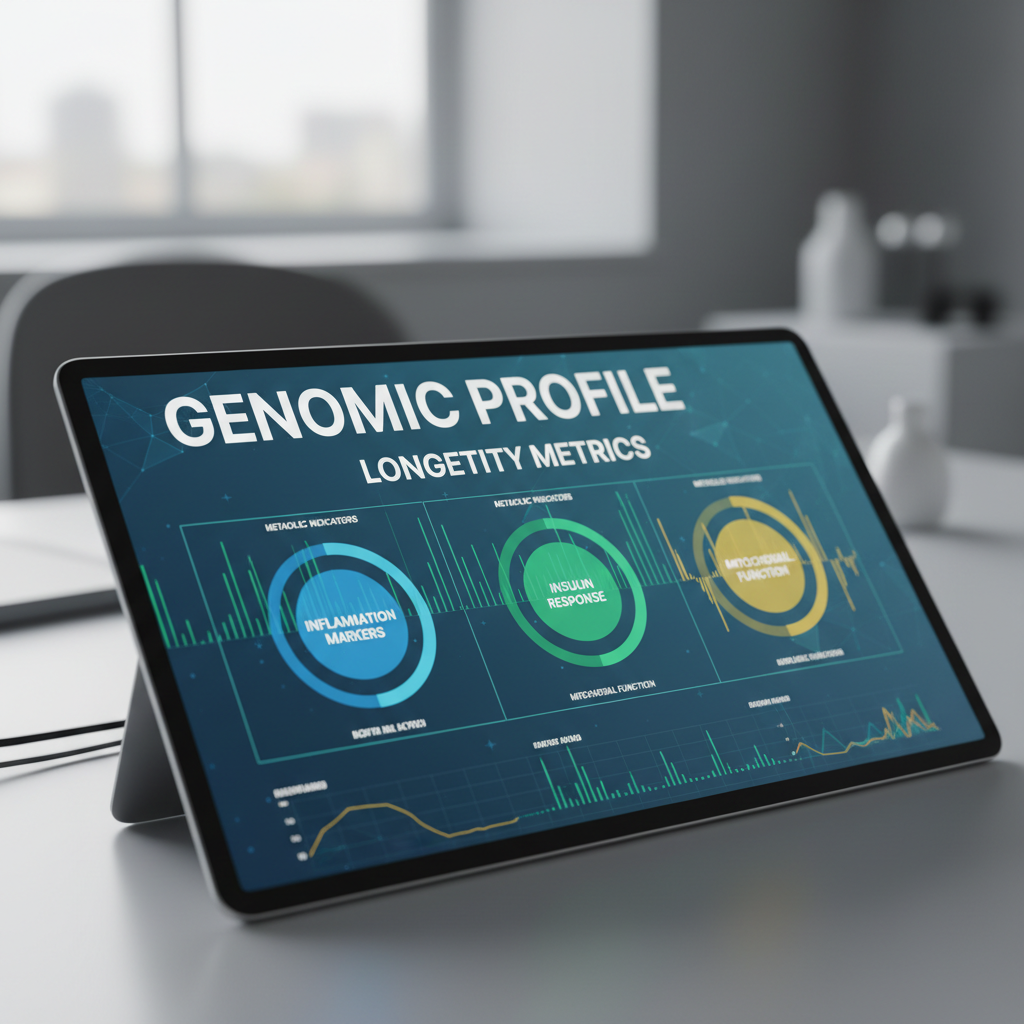
Healthcare providers will increasingly use genetic information to predict disease risk, guide treatment plans, and improve patient outcomes. This shift will mark a significant milestone in the evolution of healthcare.
Conclusion: Embracing the Future of Digital Health
The digital health trends outlined above offer a glimpse into the future of healthcare. As these technologies continue to mature, they promise to enhance patient care, improve outcomes, and make healthcare more accessible. Embracing these changes will be crucial for all stakeholders in the healthcare ecosystem.
Staying informed and adaptable will be key to navigating the evolving digital health landscape. By leveraging these innovations, we can look forward to a more connected and efficient healthcare system.