
Expert Insights: The Role of Health Technology in Chronic Disease Management


Understanding Health Technology in Chronic Disease Management
The integration of health technology into chronic disease management has transformed patient care, allowing for more personalized and efficient solutions. With chronic diseases such as diabetes, heart disease, and asthma on the rise, technology offers innovative tools to manage these conditions effectively.
Health technology encompasses a range of solutions, from wearable devices to mobile apps, each designed to improve patient outcomes. These technologies enable continuous monitoring and provide real-time data, facilitating proactive management and reducing the need for frequent hospital visits.

Wearable Devices: A Game Changer
Wearable devices have become indispensable in chronic disease management. These devices, such as smartwatches and fitness trackers, monitor vital signs like heart rate, blood pressure, and glucose levels. They allow patients and healthcare providers to track health metrics continuously, enabling timely interventions.
The data collected by wearable devices can be shared with healthcare professionals, ensuring a collaborative approach to disease management. This connectivity enhances the accuracy of diagnosis and treatment plans, leading to better health outcomes.
Mobile Health Applications
Mobile health apps are another crucial component of modern healthcare. These apps provide patients with access to information, reminders for medication, and tools for tracking symptoms. By empowering patients with knowledge and resources, apps foster self-management and adherence to treatment plans.
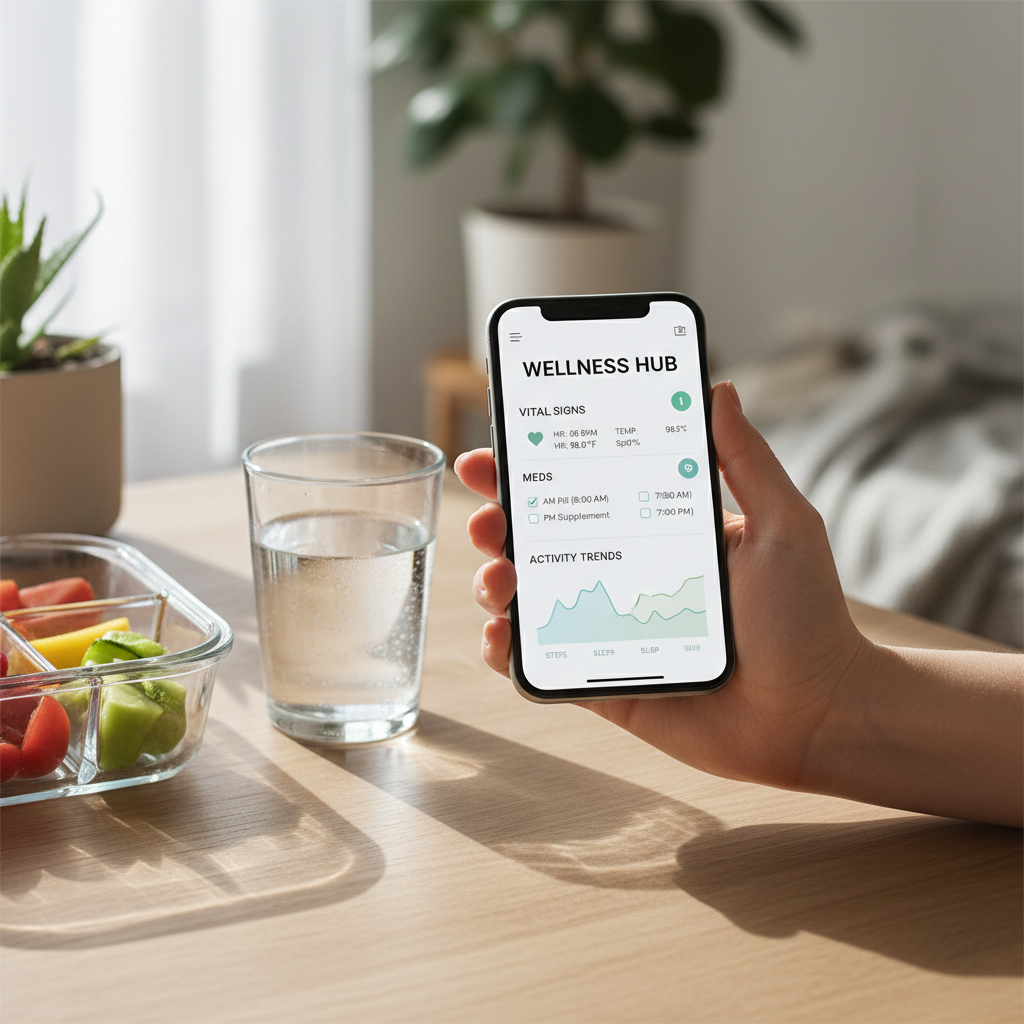
Some apps also offer telehealth services, connecting patients with healthcare providers without the need for in-person visits. This convenience is particularly beneficial for those with mobility issues or living in remote areas.
Telemedicine and Remote Monitoring
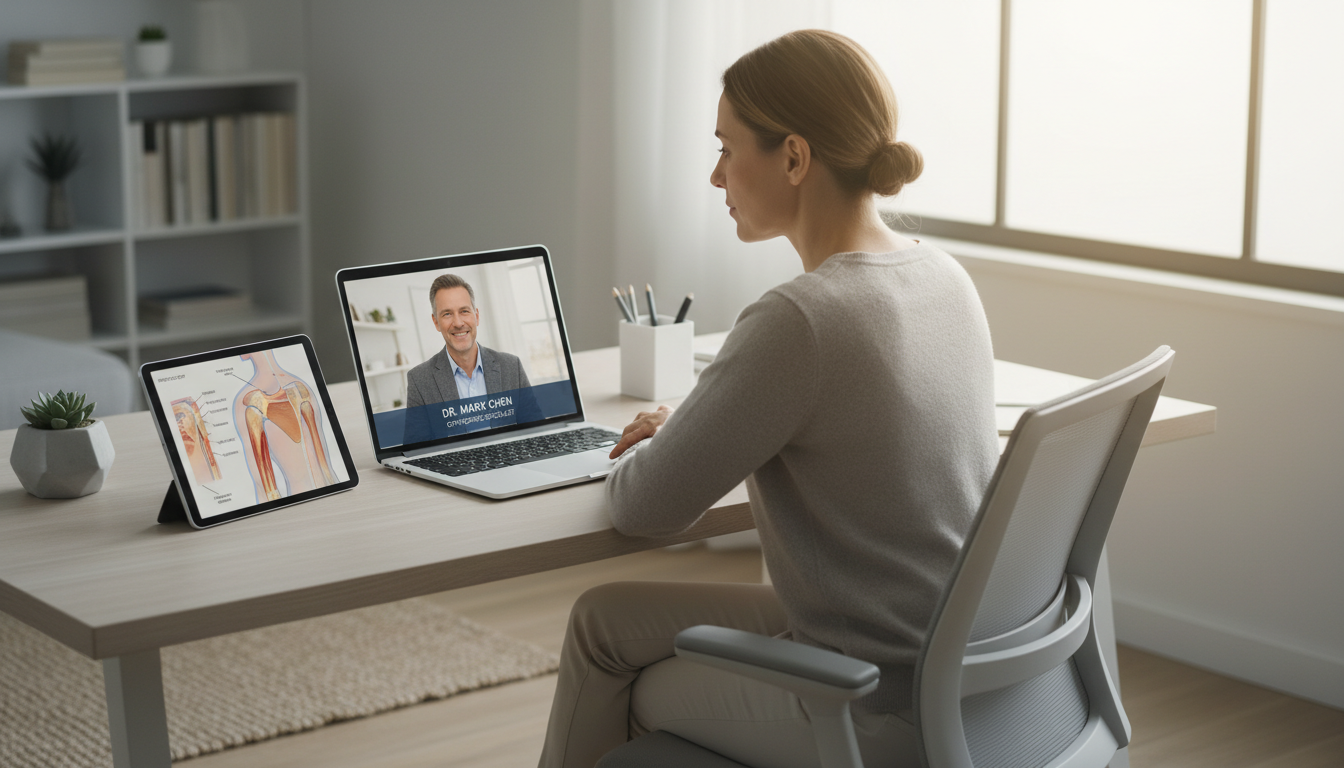
Telemedicine has rapidly gained popularity as a viable solution for chronic disease management. It offers patients the ability to consult with healthcare providers remotely, ensuring continuity of care without geographical constraints. This approach not only saves time but also reduces healthcare costs.
Remote monitoring further enhances telemedicine by allowing healthcare providers to observe patients' health metrics in real-time. This continuous oversight helps in early detection of potential issues and timely interventions, minimizing complications.
The Future of Health Technology
The future of health technology in chronic disease management looks promising, with advancements in artificial intelligence and machine learning paving the way for more sophisticated solutions. These technologies can analyze vast amounts of data to predict disease trends and personalize treatment plans.
As health technology continues to evolve, it holds the potential to revolutionize healthcare, making it more patient-centric and efficient. By embracing these innovations, we can improve the quality of life for those living with chronic diseases.
Conclusion
Health technology plays a pivotal role in managing chronic diseases by providing tools that enhance patient engagement and facilitate better care. As these technologies advance, they promise to deliver even more effective and personalized solutions, ultimately transforming the landscape of chronic disease management.