
How Cutting-Edge Digital Health Tools Are Transforming Patient Care


Revolutionizing Patient Care with Digital Health Tools
The landscape of healthcare is rapidly evolving, driven by the integration of cutting-edge digital health tools. These innovations are reshaping how patients receive care, making it more personalized, efficient, and accessible. From wearable technology to telemedicine, digital health tools are setting new standards in patient engagement and treatment.
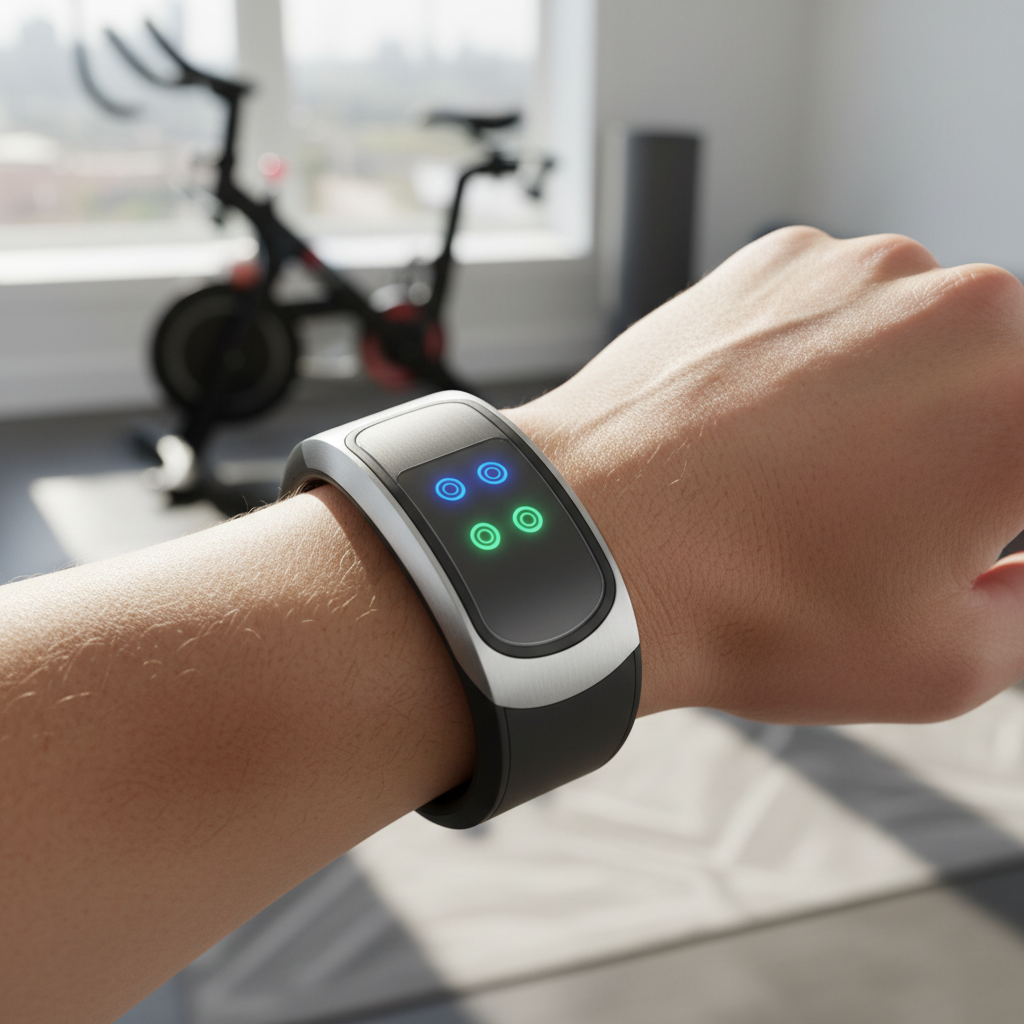
Wearable Technology: Monitoring Health in Real-Time
Wearable devices, such as smartwatches and fitness trackers, have become integral in monitoring vital health metrics. These devices provide real-time data on heart rate, physical activity, sleep patterns, and more. This constant stream of information allows healthcare providers to make more informed decisions, ensuring better patient outcomes.
With the capability to detect irregularities early, wearables offer a proactive approach to health management. Patients are empowered to take charge of their well-being, potentially reducing the need for frequent doctor visits and hospitalizations.
Telemedicine: Bridging the Gap
Telemedicine has emerged as a game-changer in the healthcare industry, especially in the wake of the global pandemic. By facilitating remote consultations, it ensures that patients can access medical advice from the comfort of their homes. This not only saves time but also reduces the risk of exposure to contagious diseases.

Moreover, telemedicine expands access to healthcare for individuals in remote or underserved areas, breaking down geographical barriers. With a simple video call, patients can connect with specialists who may not be available locally.
AI and Machine Learning: Enhancing Diagnostic Accuracy
Artificial Intelligence and machine learning are revolutionizing diagnostics. By analyzing vast amounts of data quickly, AI systems can identify patterns and predict health issues with remarkable accuracy. This leads to earlier diagnosis and treatment, significantly improving patient outcomes.
For instance, AI algorithms are being used to detect cancers, cardiovascular diseases, and neurological disorders at stages earlier than traditional methods could.

Mobile Health Apps: Personalizing Patient Care
Mobile health apps are empowering patients by providing them with tools to manage their health independently. These apps offer features like medication reminders, nutrition tracking, and mental health support. By personalizing care, they help patients adhere to treatment plans more effectively.
The convenience of having health data at one's fingertips encourages a more active role in personal health management, leading to better adherence and outcomes.
The Future of Digital Health
The integration of digital health tools is just the beginning. As technology continues to advance, we can expect further innovations that will transform patient care. From virtual reality in rehabilitation to blockchain for secure health records, the possibilities are endless.
Ultimately, these tools are not just enhancing healthcare delivery but are also paving the way for a more sustainable and patient-centered approach to health management.