How Health Data Analytics is Transforming Healthcare Outcomes


Understanding Health Data Analytics
In recent years, health data analytics has emerged as a pivotal force in transforming healthcare outcomes. By leveraging vast amounts of data, healthcare providers can gain insights into patient care, operational efficiency, and overall public health trends. This powerful tool enables the prediction, management, and improvement of healthcare services, offering a broad spectrum of benefits to both patients and providers.

The Role of Predictive Analytics
Predictive analytics is one of the most significant aspects of health data analytics. By analyzing historical data, healthcare professionals can predict future health events and trends, allowing for proactive measures. This approach not only improves patient outcomes but also reduces costs by preventing complications and unnecessary treatments.
For example, hospitals can use predictive analytics to identify patients at high risk of readmission. By implementing targeted interventions, healthcare providers can significantly reduce readmission rates, enhancing patient satisfaction and optimizing resource allocation.
Enhancing Personalized Medicine
Health data analytics plays a crucial role in advancing personalized medicine. By analyzing genetic, environmental, and lifestyle data, healthcare providers can tailor treatments to individual patients. This personalized approach ensures more effective therapies and improved patient outcomes.
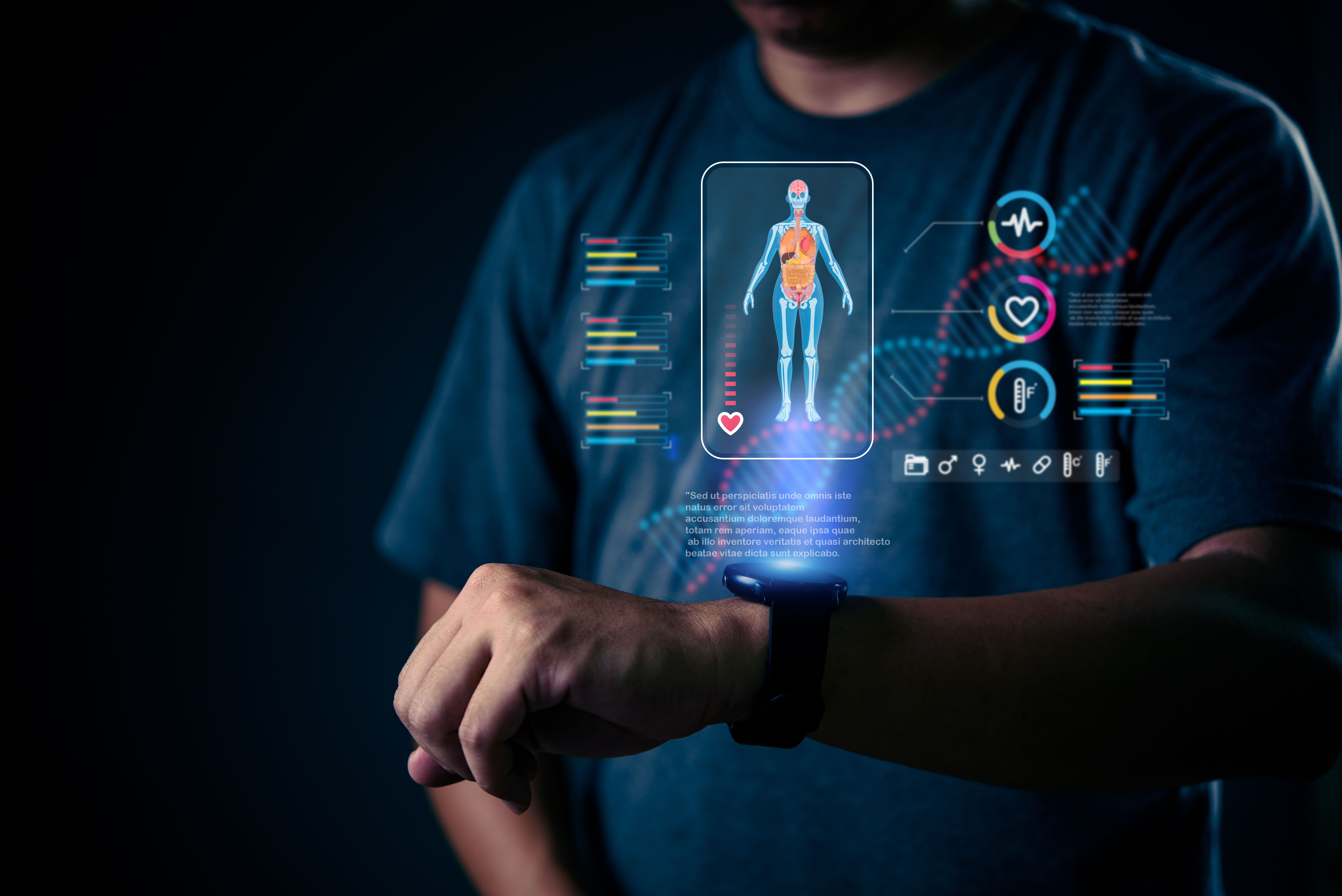
Moreover, personalized medicine can help in identifying the most suitable drug therapy for a patient, minimizing adverse effects and enhancing treatment efficacy. This precision in treatment planning is a game-changer in the healthcare industry, paving the way for customized healthcare solutions.
Improving Operational Efficiency
Operational efficiency in healthcare facilities can be significantly enhanced through health data analytics. By analyzing workflow, patient flow, and resource utilization data, healthcare organizations can streamline processes, reduce waiting times, and improve service delivery.
For instance, data analytics can help in optimizing staff schedules and managing inventory levels, ensuring that resources are available when needed. This level of efficiency not only enhances patient experience but also reduces operational costs, contributing to the overall sustainability of healthcare institutions.

Addressing Public Health Challenges
Health data analytics is instrumental in addressing public health challenges. By analyzing data from various sources, public health officials can monitor disease outbreaks, assess the effectiveness of interventions, and develop strategies to combat public health threats.
This capability was particularly evident during the COVID-19 pandemic, where data analytics enabled the tracking of infection rates, hospitalizations, and vaccine distribution. Such insights are critical in making informed decisions and implementing effective public health policies.
Future Prospects of Health Data Analytics
As technology continues to evolve, the future prospects of health data analytics look promising. Innovations in artificial intelligence and machine learning are expected to further enhance the capabilities of data analytics in healthcare. These advancements will likely lead to even more precise predictions and personalized care, revolutionizing the way healthcare is delivered.
Furthermore, as more healthcare organizations adopt electronic health records and other digital tools, the integration and analysis of health data will become increasingly seamless, driving continuous improvement in healthcare outcomes.