
How Remote Patient Monitoring Services Enhance Healthcare Access Near You


Revolutionizing Healthcare with Remote Patient Monitoring
In recent years, Remote Patient Monitoring (RPM) has emerged as a transformative force in the healthcare industry. By using digital technology to collect medical data from patients outside traditional healthcare settings, RPM enhances access to healthcare services and improves patient outcomes.
Bridging the Gap Between Patients and Providers
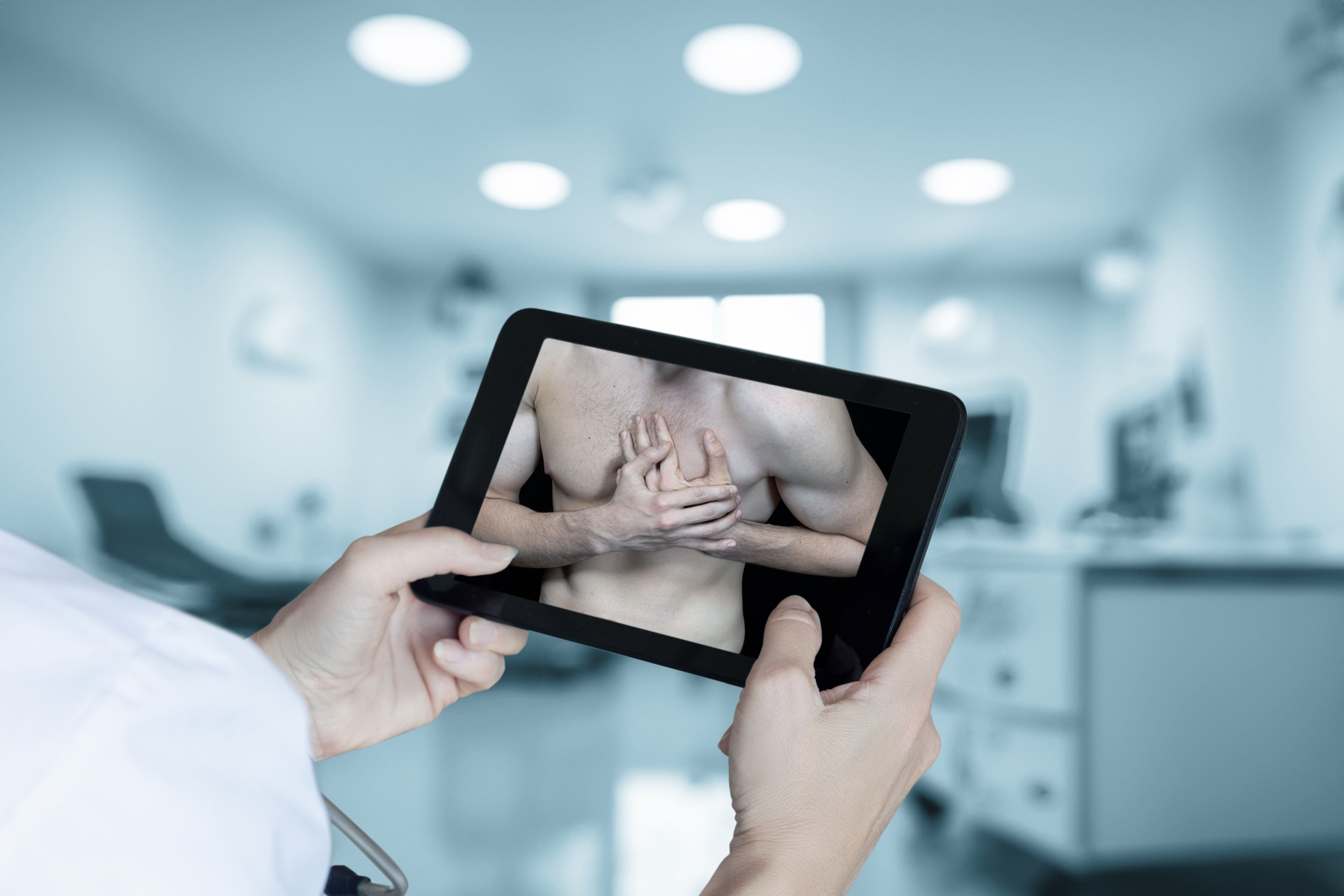
RPM services bridge the gap between healthcare providers and patients, especially in rural or underserved areas. Through wearable devices and mobile apps, patients can transmit vital health information to their healthcare providers in real-time. This constant flow of information allows for more timely interventions and personalized care plans.
Moreover, RPM reduces the need for frequent in-person visits, saving time and resources for both patients and healthcare facilities. This is particularly beneficial for individuals with chronic conditions who require regular monitoring.
Enhancing Chronic Disease Management
Chronic diseases such as diabetes, hypertension, and heart disease require continuous monitoring. RPM enables healthcare providers to keep a close eye on patients' health metrics, identify trends, and adjust treatments accordingly. This proactive approach can lead to better disease management and reduced hospital admissions.
By empowering patients to take an active role in their health management, RPM fosters a sense of responsibility and engagement. Patients become more aware of their health conditions and can make informed lifestyle choices to improve their well-being.
Improving Access for the Elderly and Disabled
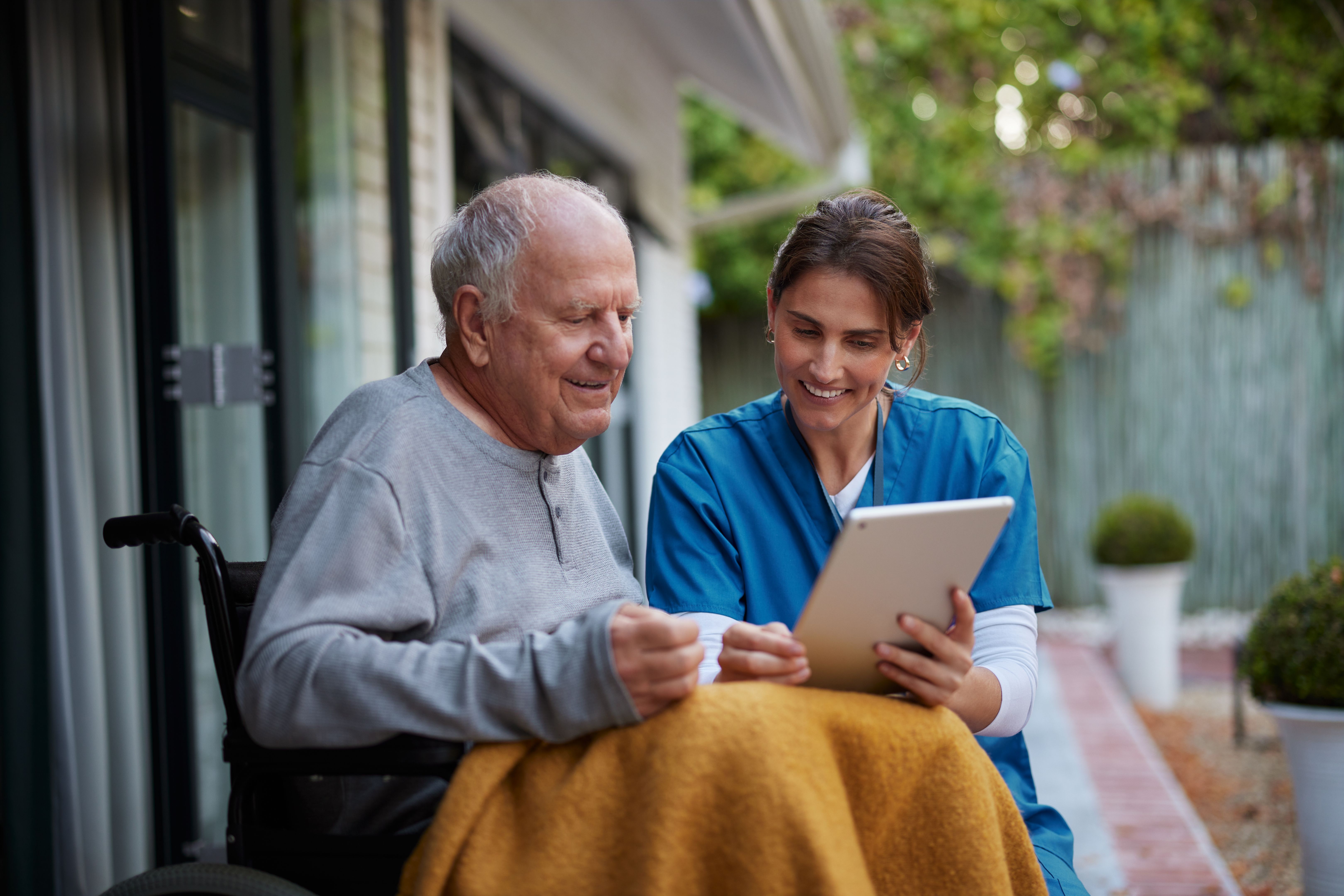
The elderly and disabled often face challenges in accessing healthcare services. RPM offers a convenient solution by allowing them to receive care from the comfort of their homes. This reduces the stress and difficulty associated with traveling to medical appointments.
Additionally, RPM can be integrated with other assistive technologies to further support the independence and safety of elderly and disabled individuals. This integration ensures they receive comprehensive care tailored to their specific needs.
Boosting Efficiency in Healthcare Systems
By reducing the burden on healthcare facilities and optimizing resource allocation, RPM contributes to more efficient healthcare systems. Hospitals can focus on patients who require critical care, while others can be monitored remotely. This optimization leads to better patient flow and reduced wait times.
Furthermore, the data collected through RPM can be analyzed to improve healthcare practices and policies. It provides valuable insights into patient behaviors, treatment outcomes, and healthcare trends, aiding in the development of more effective healthcare strategies.
The Future of Remote Patient Monitoring
As technology continues to advance, the potential of RPM will only grow. Innovations such as artificial intelligence and machine learning can enhance the capabilities of RPM systems, providing even more accurate and predictive insights into patient health.
Ultimately, Remote Patient Monitoring is not just a technological advancement; it is a vital component in the evolution of healthcare. By enhancing access, improving outcomes, and fostering patient engagement, RPM is shaping a healthier future for communities worldwide.