Seasonal Health Challenges and How Remote Monitoring Can Help


Understanding Seasonal Health Challenges
As the seasons change, various health challenges emerge, affecting people differently. Whether it’s allergies in the spring, heat-related issues in the summer, or flu in the winter, each season presents unique health concerns. These challenges can significantly impact daily life, especially for those with chronic conditions.
Traditionally, managing these seasonal health issues required frequent visits to healthcare providers. However, the advent of remote monitoring technologies is transforming this landscape, offering more convenient and effective solutions.

The Role of Remote Monitoring in Healthcare
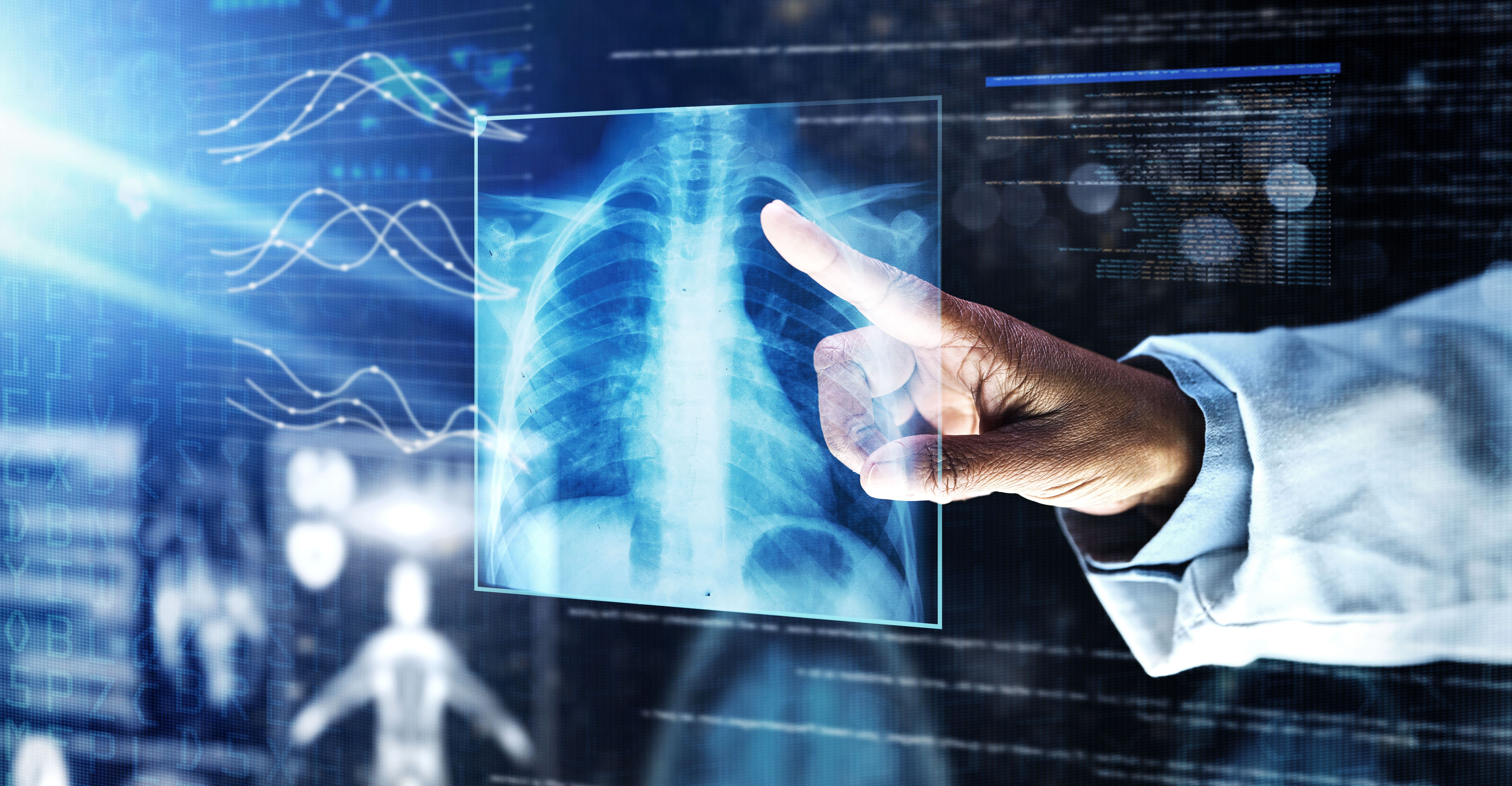
Remote monitoring involves using digital devices to track a patient’s health metrics from afar. This technology allows healthcare providers to receive real-time data, enabling them to make informed decisions without the need for in-person visits. This is particularly beneficial during seasonal health fluctuations.
For example, patients with asthma can use remote monitoring to track their respiratory health during pollen-heavy months. Devices can alert both the patient and their healthcare provider if there are significant changes, allowing for timely intervention.
Benefits of Remote Monitoring
Remote monitoring offers several advantages for managing seasonal health challenges:
- Early Detection: Continuous tracking helps in early identification of potential health issues.
- Personalized Care: Data-driven insights enable tailored treatment plans.
- Convenience: Reduces the need for frequent visits to healthcare facilities.
- Cost-Effective: Minimizes healthcare costs by preventing complications.
Applications in Chronic Conditions
For individuals with chronic conditions, remote monitoring is a game-changer. Diabetic patients, for instance, can benefit from continuous glucose monitors that help manage blood sugar levels more effectively, especially during holiday seasons when dietary habits change.
Similarly, those with heart conditions can use wearable devices to monitor their heart rate and detect irregularities, reducing the risk of serious events. These tools are vital in providing peace of mind and enhancing the quality of life for patients and their families.
Remote Monitoring for Seniors
Seniors are particularly vulnerable to seasonal health changes. Remote monitoring devices can help track vital signs, ensuring timely medical intervention if needed. These technologies also facilitate better communication between seniors, their families, and healthcare providers.
Moreover, for seniors with mobility issues, these devices offer a lifeline, reducing the need to travel for medical check-ups and enabling them to enjoy a more independent lifestyle.
Future of Remote Monitoring
The future of healthcare is increasingly digital, with remote monitoring at the forefront. As technology advances, these systems will become more sophisticated, offering even more precise and comprehensive health data.
Embracing these innovations will be crucial in addressing seasonal health challenges effectively, ensuring better health outcomes for individuals across the globe. As we move forward, the integration of artificial intelligence and machine learning in remote monitoring promises to revolutionize personalized healthcare even further.