Unlocking Health Insights: How Health Data Analytics is Revolutionizing Patient Care


Understanding Health Data Analytics
In the modern healthcare landscape, health data analytics has emerged as a powerful tool for transforming patient care. By harnessing the vast amounts of data generated in healthcare settings, providers can gain valuable insights into patient health, treatment outcomes, and operational efficiencies.
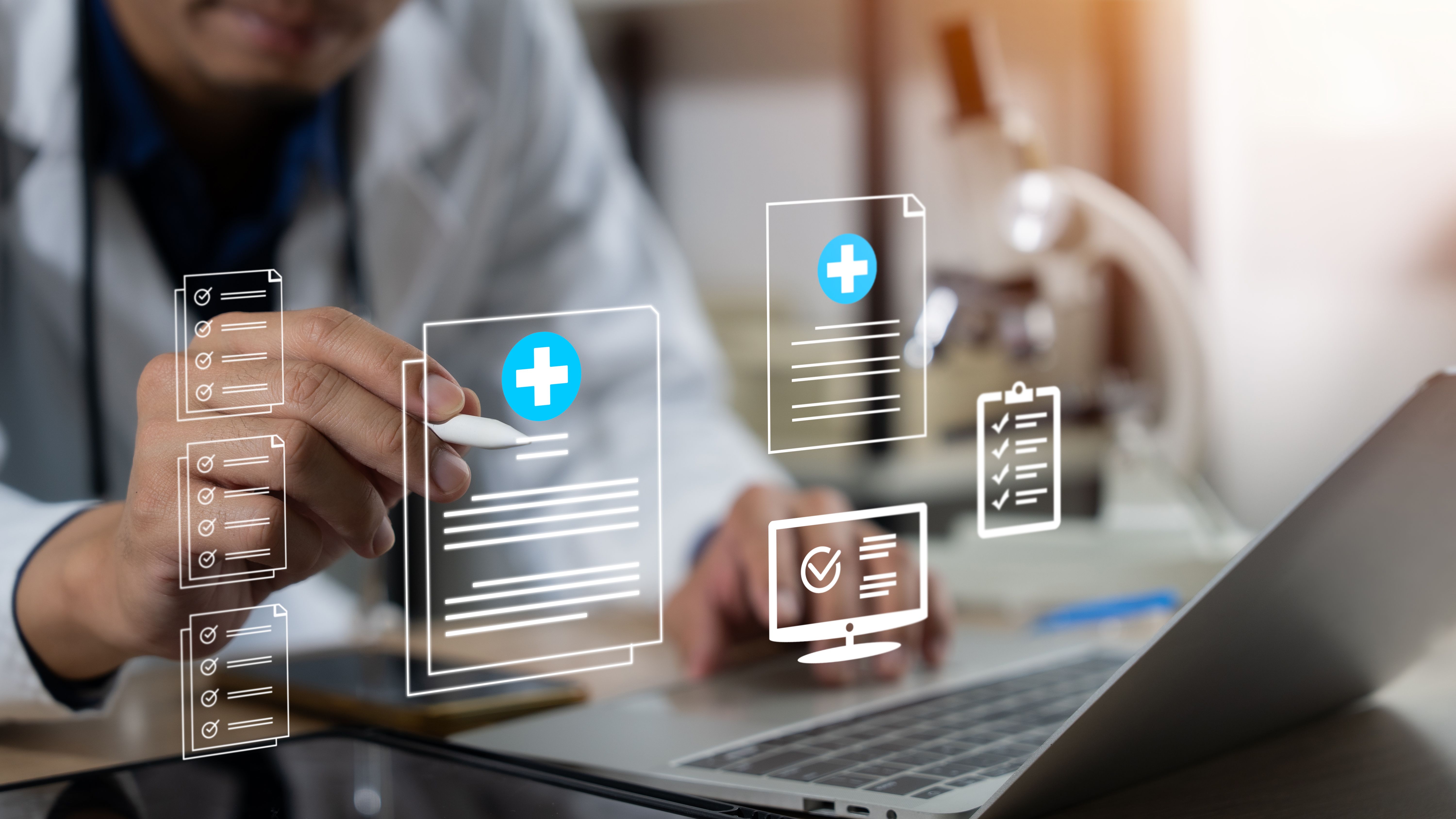
Health data analytics involves the collection, analysis, and interpretation of data from various sources, including electronic health records (EHRs), wearable devices, and genomic sequencing. This process enables healthcare professionals to make informed decisions and improve patient outcomes.
Enhancing Diagnosis and Treatment
One of the most significant benefits of health data analytics is its ability to enhance diagnosis and treatment plans. By analyzing patient data, healthcare providers can identify patterns and trends that may indicate specific health conditions. This insight allows for early detection and personalized treatment strategies, improving patient care.
Furthermore, predictive analytics can forecast potential health risks, enabling proactive interventions. This approach not only improves patient outcomes but also reduces healthcare costs by preventing complications and unnecessary treatments.
Improving Operational Efficiency
Health data analytics is not only beneficial for patient care but also for streamlining healthcare operations. By analyzing operational data, healthcare facilities can identify inefficiencies and areas for improvement, leading to better resource management and cost savings.
For instance, analytics can optimize staff scheduling, reduce patient wait times, and manage inventory more effectively. These improvements contribute to a more efficient healthcare system, ultimately enhancing the patient experience.

Facilitating Personalized Medicine
Personalized medicine is a growing trend in healthcare, and data analytics plays a crucial role in its development. By integrating data from various sources, healthcare providers can tailor treatments to individual patients based on their unique genetic makeup, lifestyle, and medical history.
This personalized approach ensures that patients receive the most effective treatments for their specific conditions, reducing the trial-and-error aspect of traditional medicine and improving overall patient satisfaction.
Challenges and Future Prospects
Despite the numerous benefits, health data analytics also presents challenges, such as data privacy concerns and the need for advanced technical skills. Ensuring data security and compliance with regulations like HIPAA is crucial for maintaining patient trust.
Looking ahead, the future of health data analytics is promising. As technology advances, we can expect more sophisticated tools and techniques that will further revolutionize patient care. The integration of artificial intelligence and machine learning will likely enhance predictive capabilities and automate routine tasks, allowing healthcare professionals to focus on more complex patient needs.