
Unlocking the Benefits of Remote Patient Monitoring: A Comprehensive Guide


Introduction to Remote Patient Monitoring
In the rapidly evolving landscape of healthcare technology, Remote Patient Monitoring (RPM) has emerged as a transformative force. By utilizing digital tools and platforms, healthcare providers can monitor patients' health conditions outside traditional clinical settings. This not only enhances patient care but also reduces the burden on healthcare facilities.

How Remote Patient Monitoring Works
RPM involves the continuous collection of health data such as vital signs, blood pressure, and glucose levels through wearable devices. This data is then transmitted to healthcare professionals for analysis. The process facilitates timely interventions, ensuring that patients receive the necessary care without the need for frequent in-person visits.
The Role of Technology
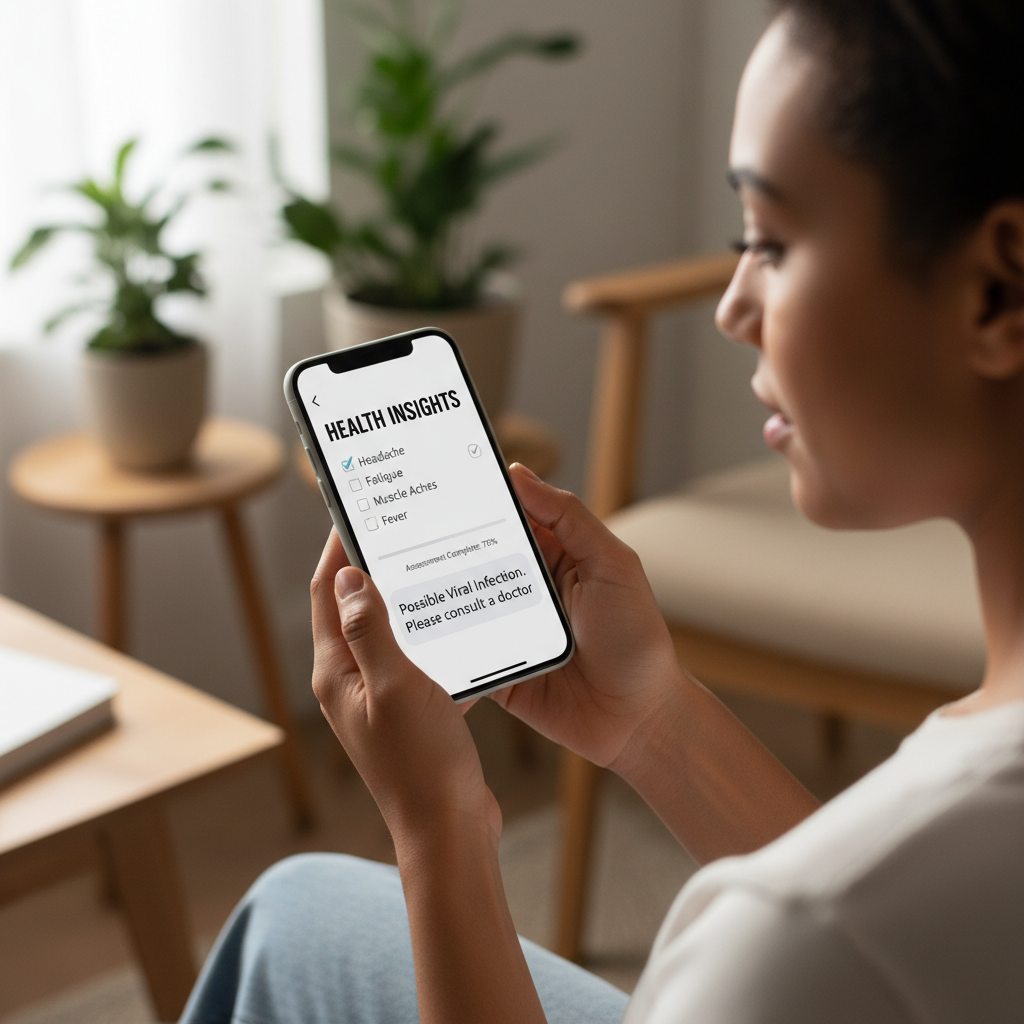
Technological advancements have played a crucial role in the adoption of RPM. Devices such as smartwatches and mobile apps enable seamless data collection and transmission. These innovations not only improve patient engagement but also empower individuals to take charge of their health.
Key Benefits of Remote Patient Monitoring
RPM offers a myriad of benefits for both patients and healthcare providers. Here are some of the key advantages:
- Improved Access to Care: Patients in remote or underserved areas can access medical services without the need for travel.
- Enhanced Patient Engagement: Real-time monitoring encourages patients to actively participate in their health management.
- Cost-Effective Solutions: By reducing hospital visits and readmissions, RPM helps lower healthcare costs.
Challenges and Considerations
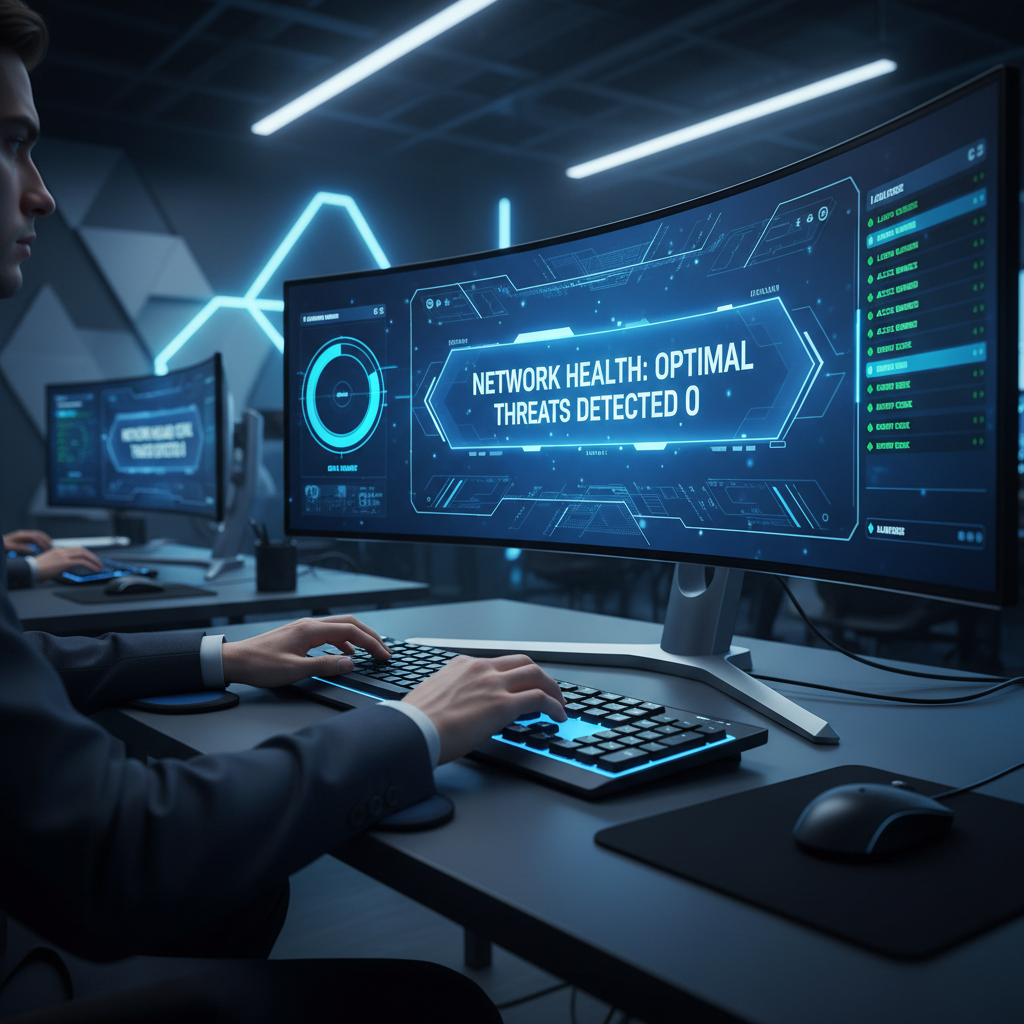
While RPM presents numerous advantages, there are also challenges to consider. Data security and patient privacy are paramount, necessitating robust cybersecurity measures. Additionally, ensuring the accuracy and reliability of the monitoring devices is critical to maintaining high-quality care.
The Future of Remote Patient Monitoring
The future of RPM looks promising, with continuous advancements in technology and increasing adoption across healthcare systems. As artificial intelligence and machine learning become integrated into RPM solutions, the potential for predictive analytics and personalized care is immense.
Conclusion
Remote Patient Monitoring is revolutionizing the way healthcare is delivered. By providing real-time data and insights, RPM empowers both patients and healthcare providers to make informed decisions. As the healthcare landscape continues to evolve, embracing RPM could be a pivotal step towards more accessible, efficient, and personalized care.