
Unlocking the Benefits of Remote Patient Monitoring for Better Health


Understanding Remote Patient Monitoring
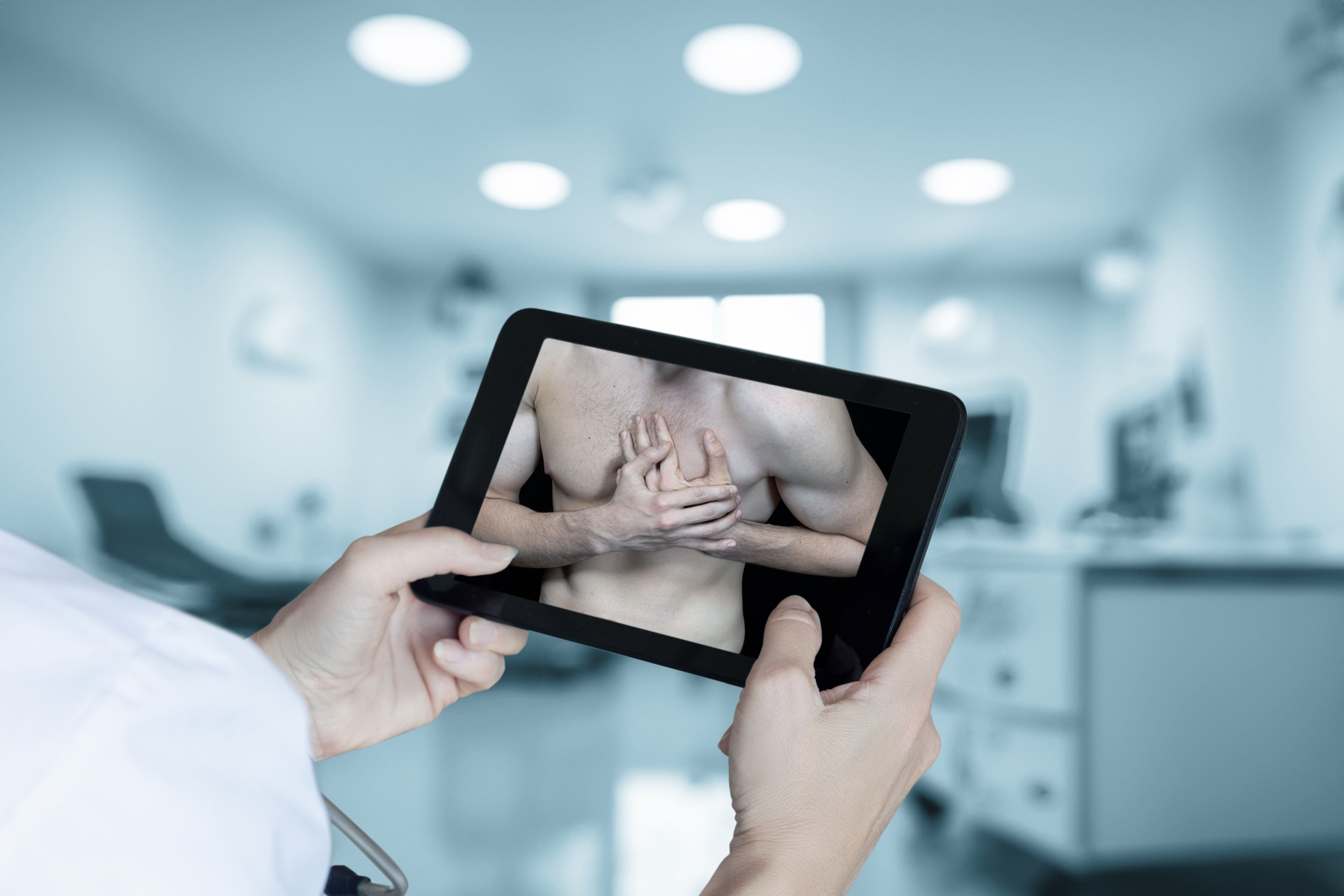
Remote Patient Monitoring (RPM) is revolutionizing the healthcare landscape by allowing healthcare providers to track patients' health data in real-time, outside traditional clinical settings. This technology enables continuous monitoring of vital signs and other health metrics, facilitating timely interventions and personalized care.
Why Remote Patient Monitoring is Gaining Popularity
One of the main reasons RPM is becoming more popular is its ability to improve patient outcomes while reducing healthcare costs. By providing real-time data, RPM helps healthcare providers make informed decisions, leading to better management of chronic conditions and a reduction in hospital admissions.
Moreover, RPM enhances patient engagement by empowering individuals to take an active role in their health management. Patients can access their health data, understand trends, and communicate more effectively with their healthcare providers.
Key Benefits of Remote Patient Monitoring
Remote Patient Monitoring offers numerous benefits that contribute to improved health outcomes and patient satisfaction. Here are some of the key advantages:
- Improved Access to Care: RPM makes healthcare more accessible, especially for patients in rural or underserved areas.
- Enhanced Patient Engagement: Patients become more involved in their care, leading to better adherence to treatment plans.
- Cost-Effective: By reducing the need for in-person visits and hospitalizations, RPM helps lower healthcare costs.
Challenges and Considerations
While the benefits of RPM are significant, there are challenges to consider. Data privacy and security are major concerns, as sensitive health information is transmitted and stored digitally. Ensuring compliance with regulations like HIPAA is crucial for protecting patient data.
Additionally, technological barriers can affect the implementation of RPM. Patients may require training to use these technologies effectively, and healthcare providers must integrate RPM into existing systems smoothly.
The Future of Remote Patient Monitoring
As technology continues to advance, the potential for RPM is vast. Innovations such as artificial intelligence and machine learning are expected to enhance the capabilities of RPM, offering more predictive and personalized healthcare solutions.
Moreover, as more healthcare providers and patients adopt RPM, we anticipate a more seamless integration of this technology into everyday healthcare practices. This shift promises to transform the healthcare landscape, making it more patient-centered and efficient.
Conclusion
Remote Patient Monitoring represents a significant step forward in modern healthcare. By unlocking its potential, we can achieve better health outcomes, reduce costs, and enhance patient satisfaction. As we continue to embrace this technology, the future of healthcare looks promising, with more personalized and accessible care for all.