
Wellness as Currency: The Science Behind Cash-Based Competitive Incentives in Behavioral Change
YL
Behavioral change is widely studied but the outcome of incentive programs are inconsistent. Ultimately, the effectiveness of the program depends on the reward’s type, size, and competitiveness. Among the different types of rewards, cash is uniquely powerful among all. These principles are what shapes Xcellent Life’s WAAC methodology.

The reason why the reward type matters is because often times, rewards are restrictive. For example, gift cards, coupons, and merchandise limit people to spend within a specific variety. This friction between reward and preference reduces motivational impact. While incentives are often treated as one category, the type of incentive matters just as much as presence.
Cash, however, is fungible and is interchangeable for whatever the recipient chooses. Its perceived value is not confined by the reward’s limits. Therefore, cash outperforms non-cash rewards of equal face value on average. A research conducted by Kevin Volpp showed that cash incentives drove higher smoking cessation and weight loss rates. The key was that cash is universally valuable to anyone, regardless of personal preferences.
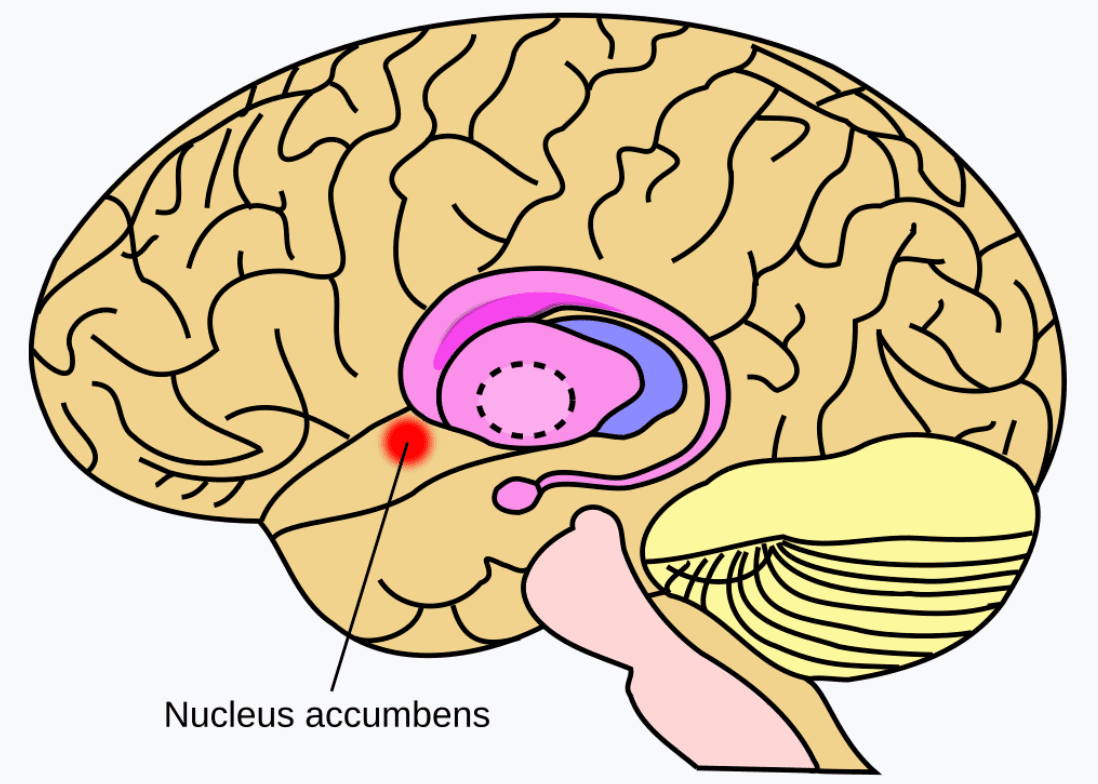
In neuroscience, cash reliably activates the nucleus accumbens, which is the brain’s dopamine reward center. Conversely, non-monetary rewards don’t trigger the same neurological response consistently. It was studied that anticipating monetary gain sustains effortful behavior over time; cash-incentivized participants show better initiation, longer engagement, ultimately leading to better outcomes.
In terms of signaling credibility–when a company pays cash for a specific outcome, it sends a clear message that they believe achieving the specific goal matters. Many wellness programs often reward participants just for showing up–receiving points for logging in, not for improving. Tying cash to a real target says that the company cares about results, not mere participation.
Larger incentives have shown that they consistently produce stronger behavior responses. This matters most for sustained, effortful behaviors like health improvement. People have a tendency to be more motivated by avoiding loss than by gaining something. A bigger reward means a bigger loss if one fails. Small rewards don’t trigger this as much.
People judge whether a reward is proportionate to the effort required. A small reward for a hard goal can undermine motivation, as it signals that it is not taken seriously. A large reward validates the goal’s difficulty and justifies lifestyle changes. Larger rewards prompt people to adopt supporting habits. The reward becomes a catalyst for new behaviors.
HealthyWage data shows higher-prize conditions produce better retention and outcomes. This points to the idea that participants risking or earning more money maintain engagement far better than nominal-incentive peers. This matches Xcellent Life’s philosophy of WAAC, or Wellness as a Currency; conventional wellness program failures stem from bad incentive design, not simply due to willpower. WAAC assigns real economic value to wellness behaviors in a competitive structure, where wellness activities are treated as productive work that generates currency. It frames wellness as something that is universally motivating, with no values alignment needed.
Social comparison is one of the strongest drivers of sustained effort. Leaderboards make relative performance explicit and give it financial consequences. Competition converts a private health goal into a social performance with reputational stakes. Participants exeed minimum thresholds because relative performance affects their prize.

Fixed rewards create a mindset where participants tend to try enough to qualify, but not going over their limits. In a competitive pool, the final prize value is unknown throughout and depends on others’ performance. This ongoing uncertainty is more durable than fixed rewards, because competitors are motivated to maximize their effort rather than only crossing a threshold.
Behaviors embedded in social contexts are significantly more durable than private ones. WAAC makes wellness tracked and publicly ranked–not a personal and isolated habit. This visibility raises the psychological stakes in ways that support long-term change.
Fundamentally, cash works at its core because it’s fungibl and salient in neural pathways. Larger incentives activate loss aversion and a calibration of effort, leading to trigger commitment behaviors. Competition amplifies all these effects through social comparison and uncertainty. WAAC synthesizes these mechanisms, as it treats wellness as economically productive behavior, rewarded in cash.